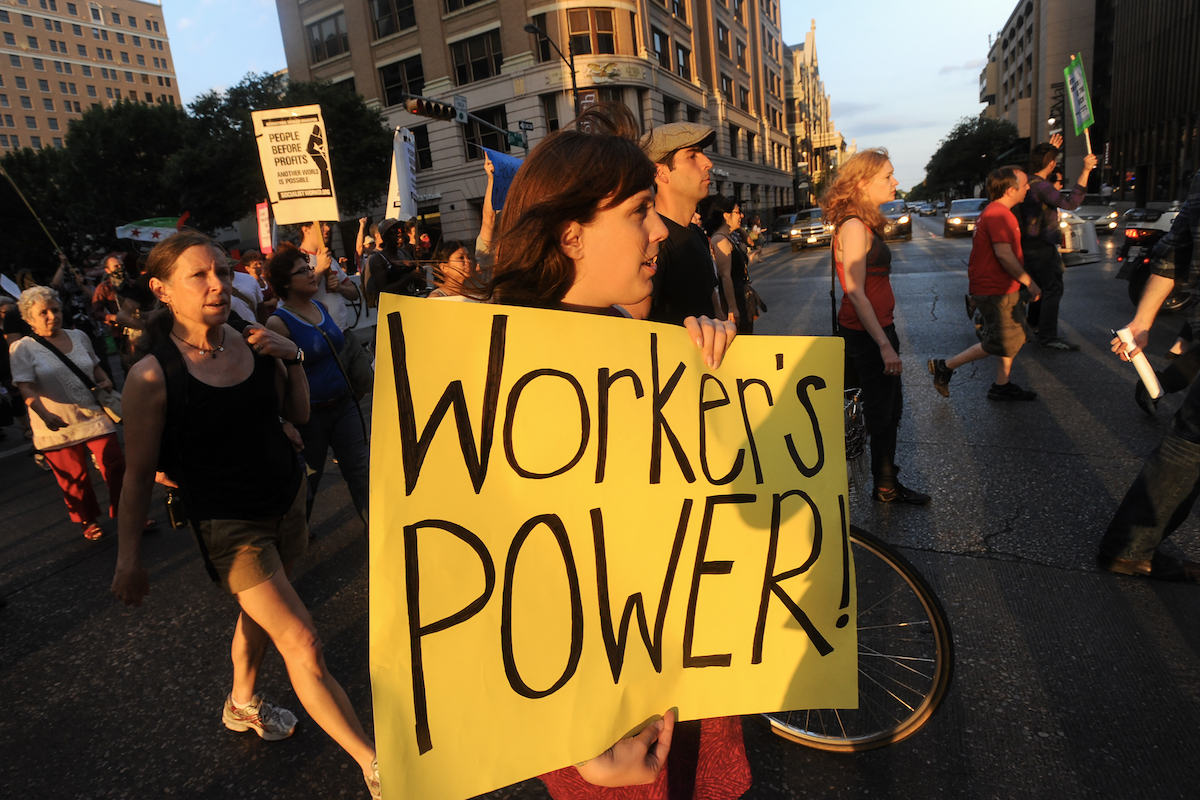
Organized labor has long played a role in major transactions. But that role is quickly becoming more complicated and consequential.
Across industries, unions are taking concerns about jobs, investment and working conditions beyond the bargaining table, bringing them to regulators, elected officials, communities and the media. In the activity around major transactions, labor’s reach can seriously complicate the outcome.
In some cases, employees have sought to block transactions outright. Others have pushed for commitments around employment or investment. And some have concluded that prolonged uncertainty or a failed transaction presents a greater risk to their members, creating an opening for new negotiations.
This represents an important change in the M&A landscape: Workforce considerations are becoming more intertwined with factors that can ultimately determine the fate of a deal. Organized labor can further amplify the concerns or support of regulators and other stakeholders.
As a result, labor risk can quickly become stakeholder risk and, in turn, deal risk.
Labor Alignment
Different employee groups can reach very different conclusions about the same transaction. Some may focus on potential job losses. Others may view the risks of an unsuccessful transaction as the greater threat. Still others may see a path forward if companies make credible commitments.
Importantly, those positions can evolve. The risks employees perceive at announcement may look different after months of uncertainty, regulatory delay or changing business conditions.
Differences between leadership and employees or between employee groups can shape the wider stakeholder environment. An opposing union can help mobilize opposition to a transaction. On the other hand, support from labor and employee groups can counter the argument that a deal is inherently harmful to workers.
The question companies must consider is, how will the deal reshape the interests of workforce constituencies and how may those interests change?
Under US merger guidelines, labor strategy cannot sit apart from regulatory, political and communications strategy. The same workforce issue can carry very different consequences depending on who is hearing it, and who is making the argument.
Upstream Solutions
Companies often begin thinking seriously about labor stakeholder risk once opposition becomes visible. By then, others may already have defined the transaction: Consolidation means job losses; job losses hurt communities; therefore the deal is harmful. Dislodging such a narrative once it has taken hold is hard. Better to anticipate it, address it and maintain narrative control.
Labor and stakeholder considerations should therefore sit alongside financial, legal and regulatory diligence early in transaction planning. Understanding where workforce vulnerabilities exist is critical.
Workforce protections, investment commitments, retraining programs or location assurances are often viewed primarily as concessions. In the right circumstances, they can also be strategic assets, benefiting the long-term outlook, giving employees greater confidence and policymakers reasons to support a deal.
Deal Readiness
Financial logic, legal analysis and regulatory strategy remain fundamental. But that strategy runs more smoothly if questions around employees are addressed early:
- Who gains leverage when the deal is announced?
- How will the transaction change the interests of different workforce groups?
- How might those interests evolve?
- Who can those groups influence?
- Which concerns can credibly be addressed?
- What actions could reduce opposition or build support?
Given the risks around a deal, this level of understanding can better ensure a positive outcome.
Meet the authors
-

Partner
New York
Michael is a global leader in high-stakes corporate, crisis, and change communications and transforming corporate affairs and internal communications for maximum bottom-line impact. He has…
More from this issue

Crisis
Most read from this issue

The Chair in a Crisis

Bridge Over Troubled Water
You might also like

Long Time Coming: A Labor Economist’s Nobel Prize

Fighting Back