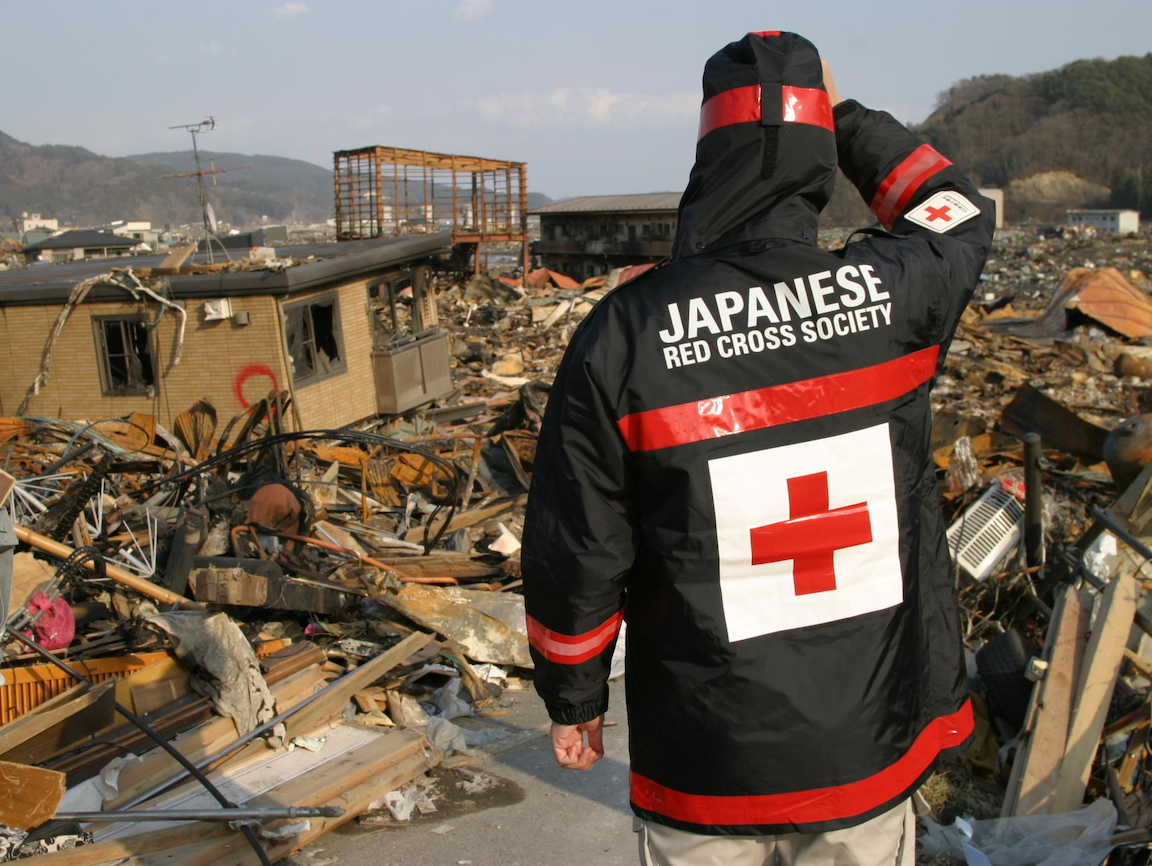
Brunswick’s Daisuke Tsuchiya recalls the lessons of his time as head of communications for the Japanese Embassy in London during the 2011 Fukushima crisis.
The morning of March 11, 2011 began with a phone call from a friend telling me to turn on the television. It was eerily reminiscent of January 17, 1995, when I had received a similar call after the Kobe earthquake. Then, as a student in Tokyo, my overriding concern had been whether my family near Kobe were safe. In 2011, I was First Secretary responsible for communications at the Japanese Embassy in London. This time, my immediate reaction was to head for the office.
A magnitude 9 earthquake had struck northeast Japan, followed by a devastating tsunami and, subsequently, the Fukushima nuclear crisis. By the time I reached the embassy, calls were pouring in from people worried about family and friends, while journalists were seeking information and interviews.
We had to decide our communications priorities quickly. Three principles emerged: Demonstrate that the government was acting decisively; make clear that transparency would be a priority even when the full facts were not yet known; and acknowledge the extraordinary support Japan was receiving internationally.
Communicate early, even when you do not have all the answers. Organizations often hesitate because they fear appearing ill-informed or incompetent. But the lesson that experience reinforced is one of the most important: In a crisis, waiting for certainty creates an information vacuum that others will fill—through reporting, speculation and, increasingly, misinformation.
On the second day of the crisis, I was sitting in a BBC Radio studio when news broke of the first explosion at Fukushima. The interviewer immediately asked me about it, live on air. I knew nothing more than he did. In a fast-moving crisis, spokespeople cannot expect to have perfect information. What matters—and what mattered in that interview—is being candid about what you know, what you do not know and what you are doing to establish the facts.
No plan can anticipate the moment when breaking news arrives while you are sitting in a live broadcast studio.
Transparency is a principle for maintaining trust. The reasons for transparency go much deeper than merely communications style. As the Fukushima situation developed, the questions became increasingly difficult. Why did Japanese evacuation advice differ from that of some foreign governments? Was the government revealing everything it knew? Criticism was inevitable, but silence or defensiveness would only have intensified suspicion. Acknowledging uncertainty is often less damaging than appearing to conceal it. Building and maintaining trust require that openness.
Correct misinformation quickly and credibly. Accurate information is critical. False reports emerged about radiation levels, reconstruction and whether Japan remained a safe place to visit and do business. We responded through interviews, the embassy website, events and engagement with journalists. Importantly, credible third parties also played a role. The British government’s Chief Scientific Adviser provided independent analysis of radiation risks, which was more persuasive than reassurance from the Japanese government alone could have been.
Crisis planning must look beyond the first 24 or 48 hours. Crises evolve. The immediate task may be protecting lives and explaining the response, but attention soon shifts toward accountability, recovery and reputation. Our communications moved from explaining the emergency response to showing that infrastructure was recovering, Japan remained open for business and visitors, and much of the country was operating normally.
The way you respond to adversity can itself shape reputation. This was a more positive lesson. Despite the enormous tragedy and criticism surrounding Fukushima, international perceptions of Japan ultimately improved. Images and stories of resilience, social cohesion and determination resonated around the world. To this day, I meet taxi drivers, waiters in restaurants, tourist guides and many others around the world who, upon learning that I am Japanese, share the respect they felt for how those in Japan responded to the earthquake in 2011.
Maintain trust under conditions of uncertainty. For me, this was the enduring crisis communications lesson. Plans, holding statements and media training all matter, but no plan can anticipate the moment when breaking news arrives while you are sitting in a live broadcast studio. Organizations need principles as well as scripts: communicate early, acknowledge what you do not know, demonstrate action and empathy, correct misinformation quickly, use credible external voices, and keep communicating as the crisis evolves.
A crisis will inevitably test reputation. But the way an organization behaves and communicates under that pressure can determine whether trust is merely protected—or, ultimately, strengthened.
Meet the authors
-
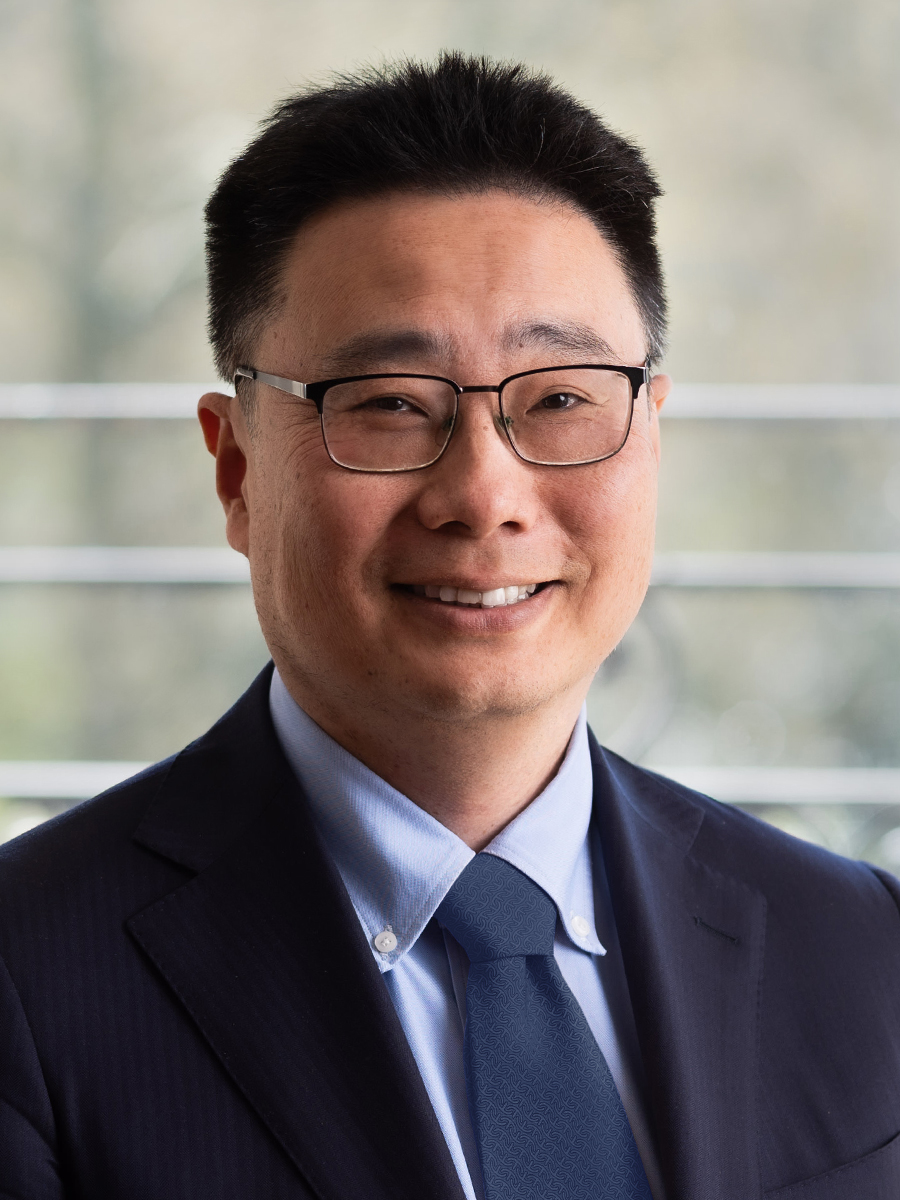
Partner, Head of Japan
London
Daisuke leads Brunswick's global Japan team. For over a decade, he has advised global c-suites on high stakes issues ranging from cross border M&A, crisis…
More from this issue
Crisis
Most read from this issue

Meeting the Moment
You might also like
Macron and the Olympics

The Good Guys