
Mars Snacking’s Andrew Clarke on why uniting two companies with century-old roots is a bold bet on the future.
In 1906, W.K. Kellogg started the “Battle Creek Toasted Corn Flake Company.” Five years later, Frank Mars began selling candy in Tacoma, Washington. The companies they founded would grow to include some of snacking’s most beloved brands—M&M’S, Skittles, Snickers, Cheez-It, Pringles, Pop-Tarts—and expand across the globe. In 2024, Mars bet they’d be better off doing it together.
The $36 billion deal that united Mars and Kellanova (formerly Kellogg Company) was the largest in snacking history, and to hear Andrew Clarke tell it, it was also the most natural.
Clarke is Global President of Mars Snacking, and now leads a business spanning over 145 markets, with 57,000 Associates globally and nine brands generating more than $1 billion in annual sales (and, he says, six more brands heading toward that milestone). He describes the transaction, which closed in December 2025, as “transformative and fundamentally complementary—in terms of brands, geography, capabilities, opportunities, and even our founder stories.”
Clarke spoke with Brunswick Senior Partner Jayne Rosefield and Partner Monica Gupta about why the deal made sense, the work of bringing two organizations together, and where the united business goes from here.
This transaction was the biggest deal in Mars’ history, and one of the largest ever in the food industry. What made it the right move?
It really demonstrates our confidence and belief in the snacking category, which is a $1 trillion market and growing at over 4% globally each year. If you take a step back, we have a long history—I’m talking over decades and generations—of building this business organically. We shifted a bit with the acquisition of Wrigley in 2008, which moved us from a chocolate business to a confectionery business.
We’ve continued to grow organically, innovating, but also adding acquisitions along the way—KIND, Trü Frü, Nature’s Bakery, Hotel Chocolat—showing where we can bring iconic brands into our portfolio that are relevant for consumers.
We felt we were at an inflection point for the whole industry. And you couple that with the confidence and belief of our stakeholders to go for a very large, transformative deal.
How did you bring stakeholders along to believe in the vision?
Having confidence and belief in the category was the starting point, along with the capabilities and performance that Mars has—this is a growth play, at the end of the day. Once we decided Kellanova was the right partner, then a big group of stakeholders needed to see a shared vision of what was possible for the combined business.
Mars Associates and Kellanova employees were both navigating a high degree of uncertainty, which underscored the importance of having a clear vision and being confident in what’s possible. It also showed the advantage of being a generational business with similar histories and values. And there were so many important stakeholders on this journey outside of the company, from our suppliers to our customers, from local communities to regulators.
What role did communications play?
An absolutely central one. The regular communication we created with those stakeholders was key. It allowed us to be consistent about the possibilities of the future and why we believed this was such a complementary, game-changing deal. And even if we didn’t have all of the information at the time, the act of being there and being honest about the ambiguity showed our commitment to being transparent.
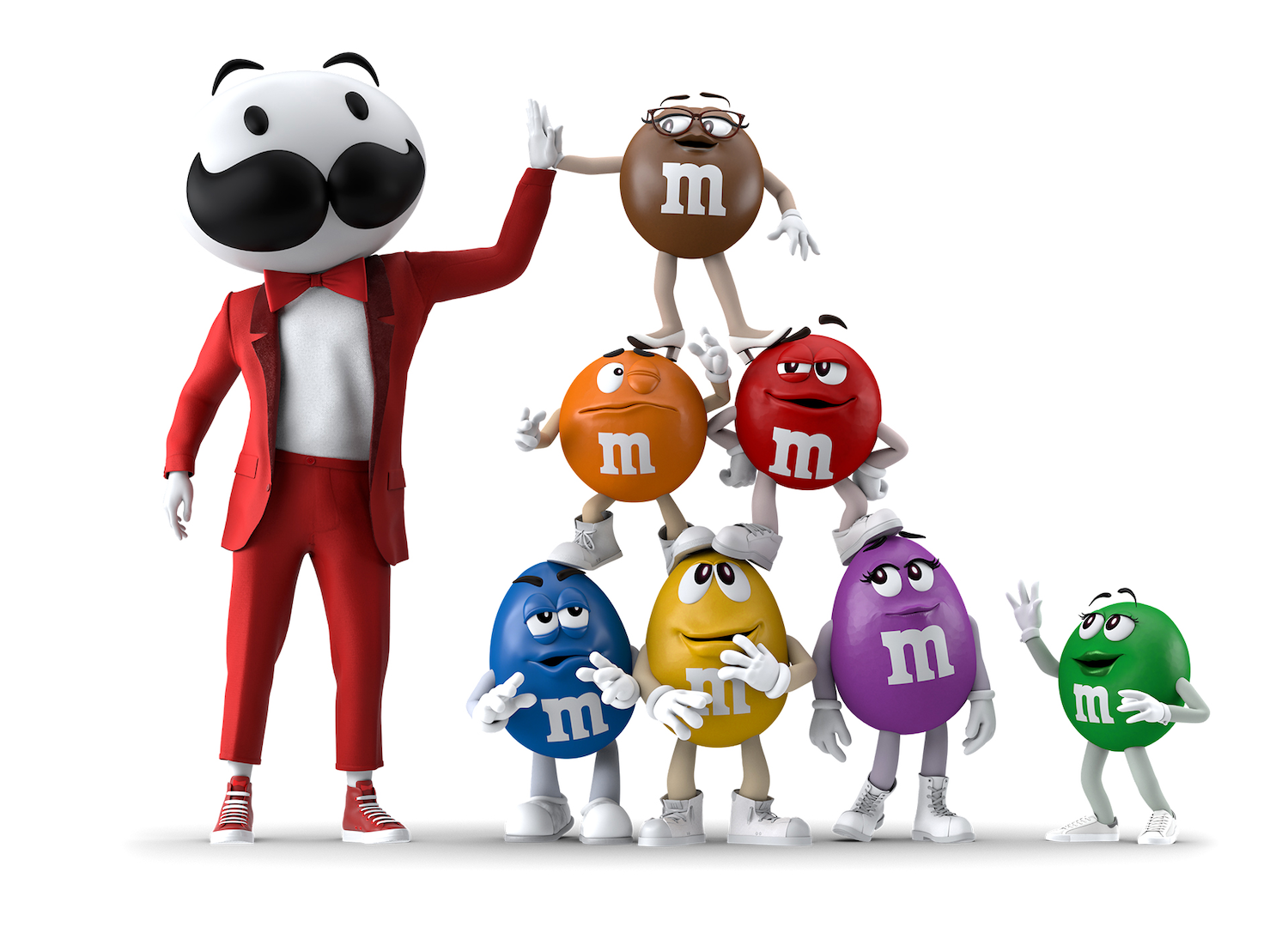
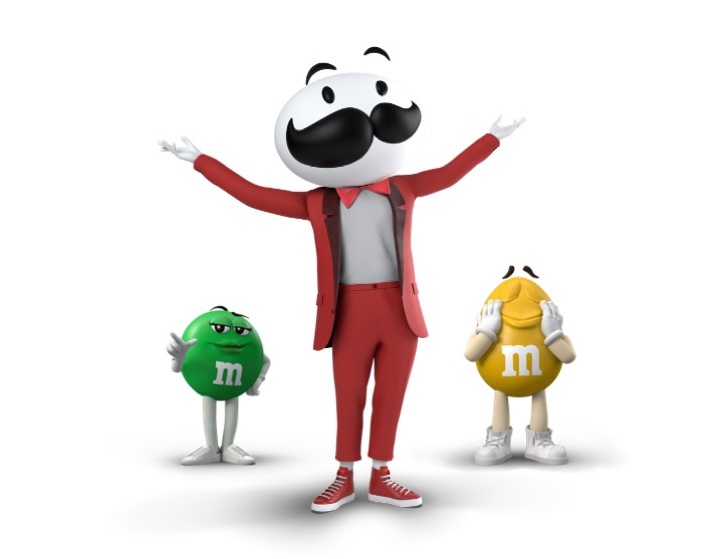
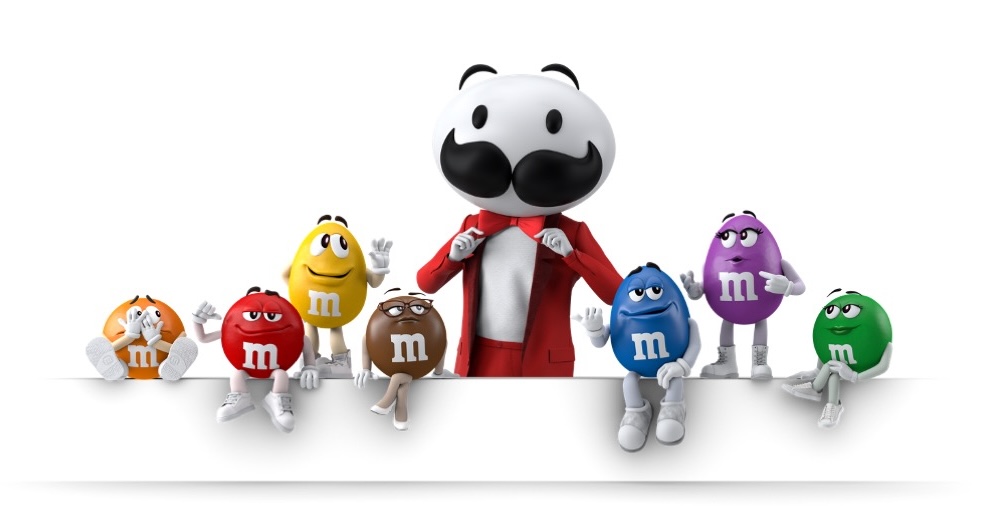
So much care and thought went into it. The new visual identity, for instance—which integrates elements from both organizations—reinforced the notion of “snacking is better together.” And I think it conveyed in a fun, authentic way that this really was two iconic businesses coming together, not Mars taking over Kellanova.
And then personally, visiting the different regions and markets, speaking and listening regularly to our Associates and future Associates, having one-to-ones and town halls, answering questions as honestly and authentically as possible—I think people appreciated that. I certainly did. Those meetings gave me a real sense of even further possibilities and opportunities. The more I spoke to people, the more I’d go, “there’s an opportunity here; if we invest, we can really grow the business.”
You mentioned that visual identity. How tricky was it to create, given that you’re uniting such distinctive, storied brands like Pringles and M&M’S?
This was the exciting part and it was a relatively straightforward decision, actually. These are the largest brands on both sides of the business. Both are approaching $4 billion in turnover, highly recognized and very meaningful. We thought it was possible to respect the distinctive assets of both and still bring them together to signal the excitement of what was possible going forward.
At our “Better Together” celebration, right at the start of 2026, our mascots featured very prominently. It was a moment for our 57,000 Associates around the world to experience the power and love of our brands coming together.
I think it’s easy to forget that as a company: You can have fun with your communications. Clarifying the logic of a deal—the numbers, the strategic rationale—is obviously important, but so is communicating the emotion of it, actually connecting with people and making them smile.
“Clarifying the logic of a deal—the numbers, the strategic rationale—is obviously important, but so is communicating the emotion of it, actually connecting with people and making them smile.”
M&A deals notoriously fail because of culture and integration. How did you approach that?
Through rigorous planning. We were hyper-focused on making sure there was representation on both sides—a “two in the box” approach. Everything we’ve done has been to make sure there was always a Mars Associate and a Kellanova employee in every decision, all in line with legal and regulatory considerations. Putting our best players into key teams has made such a difference.
We came into this with some experience of doing deals and having spent a lot of time analyzing what has worked and what hasn’t. Right at the center of that is culture and how to make it work. The great thing here is that there’s a real similarity in the companies’ roots and beliefs: a shared commitment to people, to building businesses, the passion.
But at the same time, it’s tempting to just say “these cultures are similar” and be complacent. We didn’t want to fall into that trap. Curiosity really mattered—seeking to understand where everyone was coming from and then working out what the future could look like. In some cases, that looks like “best of both.” In other cases, it looks like leapfrogging into a bold future in a very different way.
Let’s talk about that “bold future.” With the deal done, what’s next?
I’ll give you a few dimensions. We’re now present in more than 145 countries. We have nine brands above a billion dollars and six other brands closing in on that. We have 57,000 Snacking Associates globally and a footprint of factories around the world that enables us to manufacture these products locally.
There’s a lot of opportunity to grow responsibly, whether that is through product innovation, how we respond to consumer trends or even our science and technology and sustainability capabilities. We’re focused on taking our existing iconic brands and making them relevant for consumers around the world in new and different ways.
We also have some of the newer brands like RXBAR, KIND and Trü Frü tapping into consumer trends, with Hotel Chocolat providing an experiential element. I think we can do both sides.
Snickers has been around for almost 100 years, and in 2025, it grew at around 10%. There’s a lot driving that cultural relevance and growth, from its links with the NFL to its innovation with Snickers Protein. And we’re seeing huge growth in other areas, like RXBAR and Trü Frü both growing more than 30% last year. So the generational brands and emerging brands can thrive alongside each other.
We also have Pringles, a significant global brand which has done a tremendous job using innovation to make itself locally relevant in markets all over the world. We have over 200 flavors in the Pringles global portfolio—you’ve got Prawn Cocktail flavor in the UK, Consommé in Japan, Butter Caramel in Korea … the list goes on.
An early area of opportunity is combining our science capabilities across Kellanova and Mars, our sustainability credentials, and thinking about how we can lead the industry in areas such as new materials, new packaging solutions and working with regulators where appropriate.
One example is the way we’ve been working with peanut farmers and growers for decades to enhance peanut crop resilience. A full 30% of peanuts grown globally are not fit for human consumption because of issues like crop disease. So how can we use science to develop hardier peanut varieties? We’ve already invested over $10 million in peanut research, and we’ve seen promise from new peanut varieties that can grow better in tough conditions, boosting production by up to 30%. That’s a great example of the science we can bring to help farmers grow more resilient crops. And the science, technology and innovation capabilities we now have collectively as one business will take us to the next level.
There are so many opportunities when you put the two businesses together and think from a farmer’s perspective: mint is very important for our gum portfolio; potatoes, of course, are very important for Pringles. Farmers grow both crops. How can we work with them so it’s even more beneficial for the farming ecosystem? Those are really exciting opportunities.
“Almost from day one, you couldn’t tell who was Mars and who was Kellanova.”
How are you reaching consumers differently, especially younger audiences? And what trends are you watching most closely?
From a consumer point of view, huge change. Lots of uncertainty in the world, but there are also lots of opportunities. Much of it driven by technology and demographic changes. Most of the GDP growth and population growth are coming from rapid-growth markets versus developed markets, so that makes geographical choice very important. Climate change, which affects resources and raw materials, is raising important questions. For example, how do we work with everyone involved in cocoa production, from farmers to suppliers, to make sure the cocoa supply chain is fit for the future?
We’ve seen the fragmentation of traditional meals, driven by consumers’ changing lifestyles, which provides huge opportunities for snacking. We’re seeing a focus on health, hence the growth of brands like RXBAR, KIND and Nature’s Bakery. Some of our fastest-growing products in KIND, for example, are protein-oriented. And we’re seeing an increasing interest in who’s behind the brands: What do those businesses stand for? Where does sustainability fit in? Where does responsible marketing fit in?
Another important trend is experiential opportunities. Hotel Chocolat is a great example of how we are bringing that to the US. We started in Chicago, where we now have five stores, and we’re looking to expand from there. We opened our newest M&M’S store at Shanghai Disney Resort’s Disneytown, which is another good example of bringing our iconic brands to life in different ways.
We also know the importance of staying on the pulse of culture to reach younger audiences. You saw this in our recent Super Bowl ad with Sabrina Carpenter, as well as in the work Pop-Tarts did to harness the passion around college football. They’ve taken their sponsorship of a bowl game and made it into a culturally relevant moment that fans can’t get enough of—perhaps to be expected with an edible mascot! This past year was the most-watched Pop-Tarts Bowl with 8.7 million viewers—more than the Golden Globes—and saw meaningful jumps in volume, distribution and positive sentiment for the product.
Finally, we spend over $200 million a year on innovation. Getting that balance right between our core propositions and how we innovate for the future is key. A good example: Skittles and M&M’S Pop’d, which we’ve just brought to market this year. We saw that trend playing out on social media, using the analytics tools we now have, and brought those concepts to market in record time.
Before this role, you were Mars’ Chief Marketing Officer for a number of years. What do you think of today’s media landscape? Does it make it harder to reach consumers?
It’s changed so much even since I was CMO [2016–2018], it’s clear the current environment creates all kinds of opportunities but also risks we need to navigate. We can now, for instance, do personalization at scale using all different kinds of media and creative tools.
A good example is the work Snickers did with José Mourinho [a decorated, and notoriously blunt, soccer coach], using Generative AI around the European Championships.
In essence, you could create a video to send to a friend that made it seem like José Mourinho was talking to them. It was built on the same Snickers platform of “you’re not you when you’re hungry,” but in this case, José Mourinho was rating mistakes somebody had made, as he does as a football manager. It was a brilliant example of sticking within the brand guidelines while testing new approaches to reach new audiences at the cutting edge, and making sure we’re using AI responsibly. Since then, we’ve scaled that approach across multiple markets. The trick is to pilot and test, and if it works, scale it as quickly as possible.
We have to ask: What are your favorite Mars Snacking products?
You’ll find a full repertoire in the Clarke pantry, but near the top of the list for me would be Pringles—in particular, a little sour cream and onion! I love going around the regions and testing the new products and different flavors. The hot and spicy ones are very, very good and relate to local palates.
I also chew a lot of gum. I’m very proud of our reinvention of the gum category—how we’ve made gum relevant again, including a pivot towards mood management alongside refreshment, and innovation into gaming with a new brand called Respawn.
And I will say, a Twix fresh off the production line is just outstanding.
What has been the most memorable moment personally from this whole experience?
Three stood out. The first, of course, was when the Mars Board said, “yes, let’s go for it.” A lot of work from a very committed group had helped make that possible. The second was meeting the Kellanova leadership team. It was fascinating, and I remember being aware in the moment that it was the start of something big.
And finally, it was phenomenal to see the teams come together at our “Better Together” celebration. It was just all about the energy, the possibilities, the camaraderie. Almost from day one, you couldn’t tell who was Mars and who was Kellanova.
Read our interview with Anders Bering and Kris Bahner, global corporate affairs leaders at Mars and Kellanova, respectively, about their partnership during this career-defining deal.
Meet the authors
-
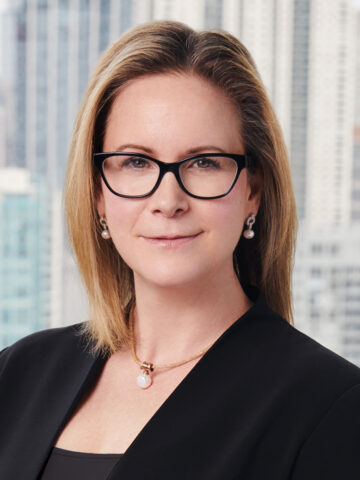
Senior Partner, Head of Global Strategy & Transformation
Chicago
Jayne is Head of Global Strategy & Transformation at Brunswick Group. In this role, she works closely with Brunswick’s CEO Henry Timms in delivering the… -
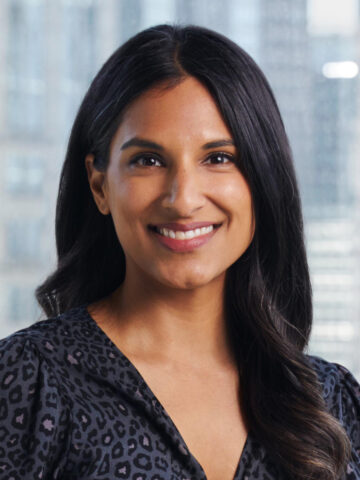
Partner
Chicago
Monica is a trusted advisor to Board and C-Suite executives during moments of change and transformation.
More from this issue
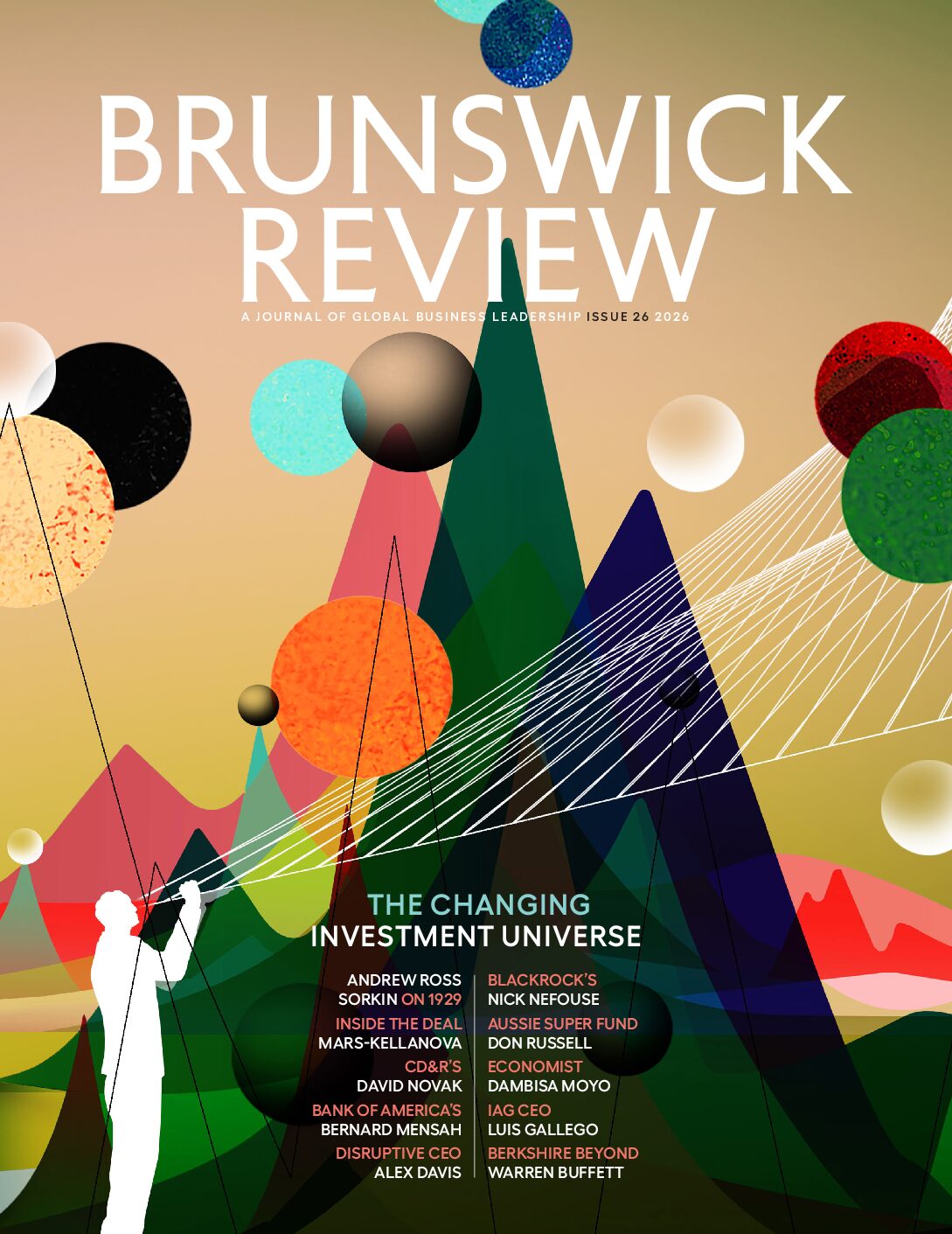
Investment Universe
Most read from this issue

Calling Balls & Strikes
Baroness Dambisa Moyo
You might also like
Dame Sally
Intelligence Report