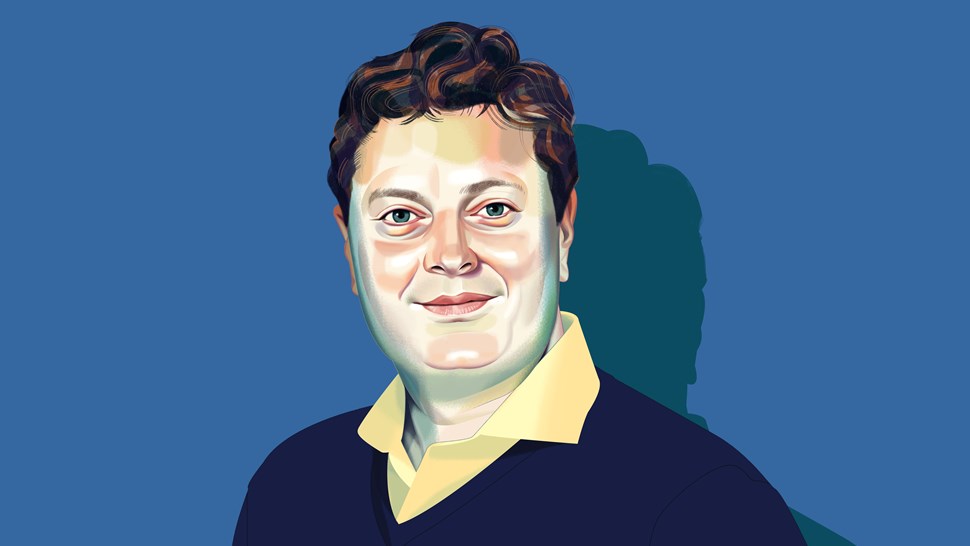
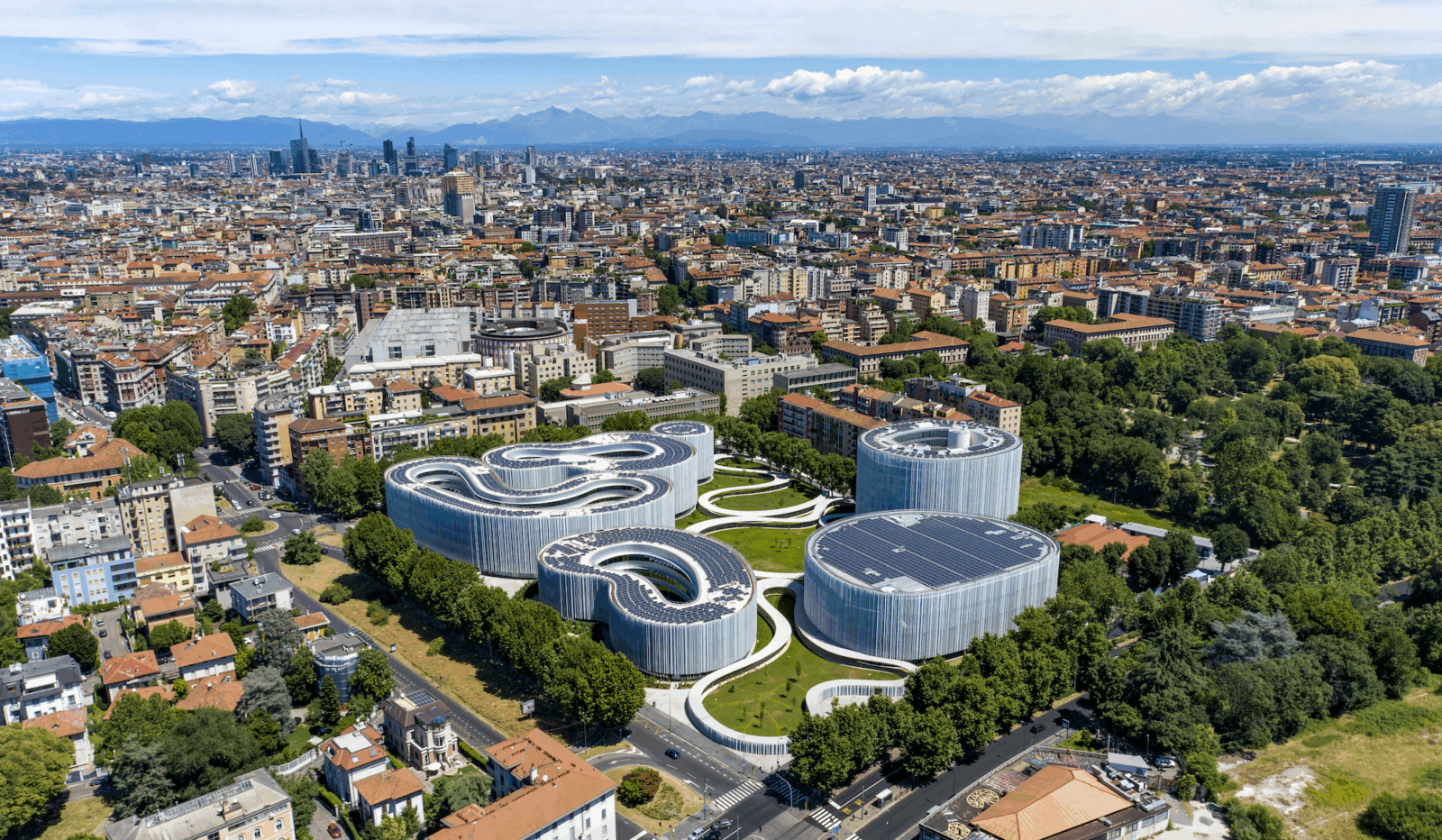
Dr. Stefano Caselli, Dean of SDA Bocconi University School of Management, argues that talent development is Europe’s defining challenge.
Italy’s political and economic stability amid a changing Europe points to larger opportunities available for the continent. The key to unlocking that future is a focus squarely on “human power”—the development of a skilled and informed workforce.
That’s the view of Dr. Stefano Caselli, Dean of the celebrated international SDA Bocconi School of Management, which Bloomberg Businessweek ranked as Europe’s top business school. The Financial Times lists its MBA program among the top five in Europe and top three globally.
Earning a Ph.D. at Università di Siena, Stefano Caselli has been a professor of Banking and Finance at Bocconi University in Milan since 2007, and today he plays a leading role in global academic networks such as the Global Network for Advanced Management and the advisory boards of several other leading European institutions. Throughout his career, he has been instrumental in building Bocconi’s international partnerships with more than 280 universities worldwide.
He is the author of Il futuro non aspetta (The future doesn’t wait), a book that calls for a shift from short-term thinking to long-term vision. It offers a reflection on the role a changing Europe can play in an increasingly polarized world.
At the heart of Caselli’s vision, as he tells us in this interview, is a conviction that education is the most important tool of society—one that proliferates rather than wears out, enabling nations and individuals alike to turn stability into progress, and progress into purpose.
Italy has been praised for achieving a new level of political and economic stability in recent years. But how can the country now use that stability as a platform for growth?
Stability is an achievement, but it’s not the goal. Italy has managed to regain fiscal discipline and credibility, but that stability must become the foundation for transformation, not its substitute. While stability offers reassurance, on its own it doesn’t encourage innovation. And without innovation—technological, organizational and cultural—we risk crystallizing the status quo. In a world where capital, ideas and talent move at lightning speed, standing still means falling behind.
For Italy, the next leap is to translate discipline into imagination. We need more innovation, more bold entrepreneurs, more companies capable of shaping the future rather than simply adapting to it.
For decades, Italy was seen as one of Europe’s problems, but today we’re becoming part of the solution. We’re showing that stability and reform can unlock a nation’s deeper strength. It’s up to all of Europe now to promote a deep transformation, learning how to combine national excellence with a continental vision.
Manpower is the fuel for transformation. We need ecosystems of talent, education and innovation. Only by mobilizing our people, their creativity, adaptability and values, can we turn stability into momentum.
“Europe’s future will depend on its ability to think as a single player.”
What does that mean to you in today’s economy?
An emphasis on education. I talk about human power often because I believe it is crucial for growth in every sense. Human power means unleashing the creativity, adaptability and energy of individuals. It’s about forming professionals who combine analytical skills with empathy, data with purpose. As educators, our mission is precisely that: to transform competence into impact. Knowledge has value only when it generates change, and that change always begins with people.
How does AI fit into your vision of human power?
Artificial intelligence makes this even more urgent. AI can process data faster than any human and can certainly make some processes easier, but it cannot replace judgment, curiosity or moral responsibility. The challenge for leaders is not to compete with algorithms but to orchestrate them, and to decide when to trust automation and when to rely on intuition.
AI can’t replicate purpose. This is a pivotal time in history where education must teach people not to compete with machines, but to direct them and guide them responsibly. The future belongs to those who can unite technological fluency with a human touch.
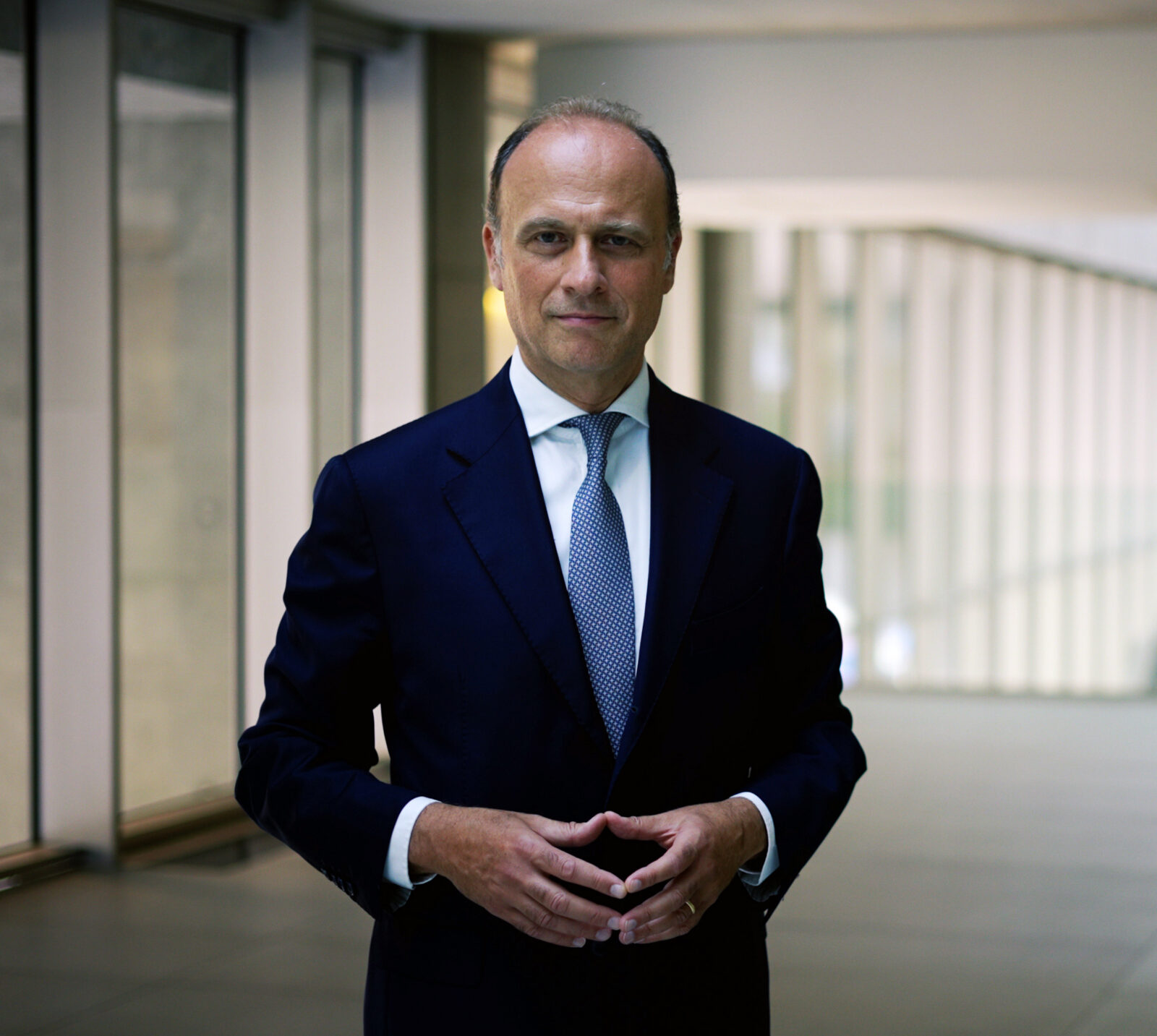
Italy has long struggled with what many call a “brain drain”: talented professionals and graduates seeking opportunities abroad. How do you see this phenomenon today, and what can be done to turn it into an advantage?
The problem isn’t that Italians go abroad, it’s that too few come back. Mobility is a strength when it leads to exchange. The real challenge for Italy, and for Europe, is to transform this brain drain into talent circulation—creating ecosystems where international talent wants to stay, and where returning home feels like moving forward, not stepping back. Thousands of talented Italians study and work abroad, and thousands of international students come here to study with us at SDA Bocconi.
This movement is healthy, but our goal is to ensure that Italy becomes a magnet for global talent, not merely a training ground for them to leave. That means investing in research, innovation and quality of life, areas where Italy already has enormous potential.
Ultimately, talent follows meaning. If we can offer a sense of contribution—to a country, a city, a community of ideas—we won’t have to work so hard to retain people.
How does internationalization shape your approach to leadership development?
Internationalization is not a trend for us, but part of our mission, our goal for every student that joins us. Our classrooms bring together students and faculty from every continent, learning to collaborate and make decisions across different perspectives, values and ways of thinking. Managing diversity is something to live, every day.
This experience builds what I call global leadership, the ability to operate across cultures with respect, inclusion and empathy. That’s indispensable in an interconnected world.
Embracing a global identity doesn’t mean losing one’s roots. Learning in an international environment doesn’t weaken identity, it enriches it. It makes you more connected to the world. Our mission is to form leaders who are confident in their identity yet open in their mindset, capable of thinking globally while acting responsibly, wherever they are.
“Education is the most powerful infrastructure we can build. It doesn’t wear out; it multiplies.”
What do you think will define the next generation of leaders?
I believe Europe—and in particular Italy—can find a new competitive edge by investing in talent, integration and innovation. Europe’s future will depend on its ability to think as a single player. We don’t lack talent or capital, we lack scale. The next decade must be about integration, building continental champions in finance, energy, and technology, while preserving our values of inclusion and sustainability.
Our goal is to form leaders who combine excellence with responsibility, who see globalization not as a threat but as a space of opportunity and cooperation. Education is the most powerful infrastructure we can build. It doesn’t wear out; it multiplies.
The old model of leadership was vertical; today, it’s networked. Leaders no longer sit at the top of an organization giving directions, they sit at the center of an ecosystem, connecting ideas, people and resources.
At SDA Bocconi, we’re reimagining our programs around this principle. It’s not about teaching answers but cultivating the ability to ask better questions. That’s the essence of modern leadership—not simply authority, but adaptability; not control, but connection.
Meet the authors
-
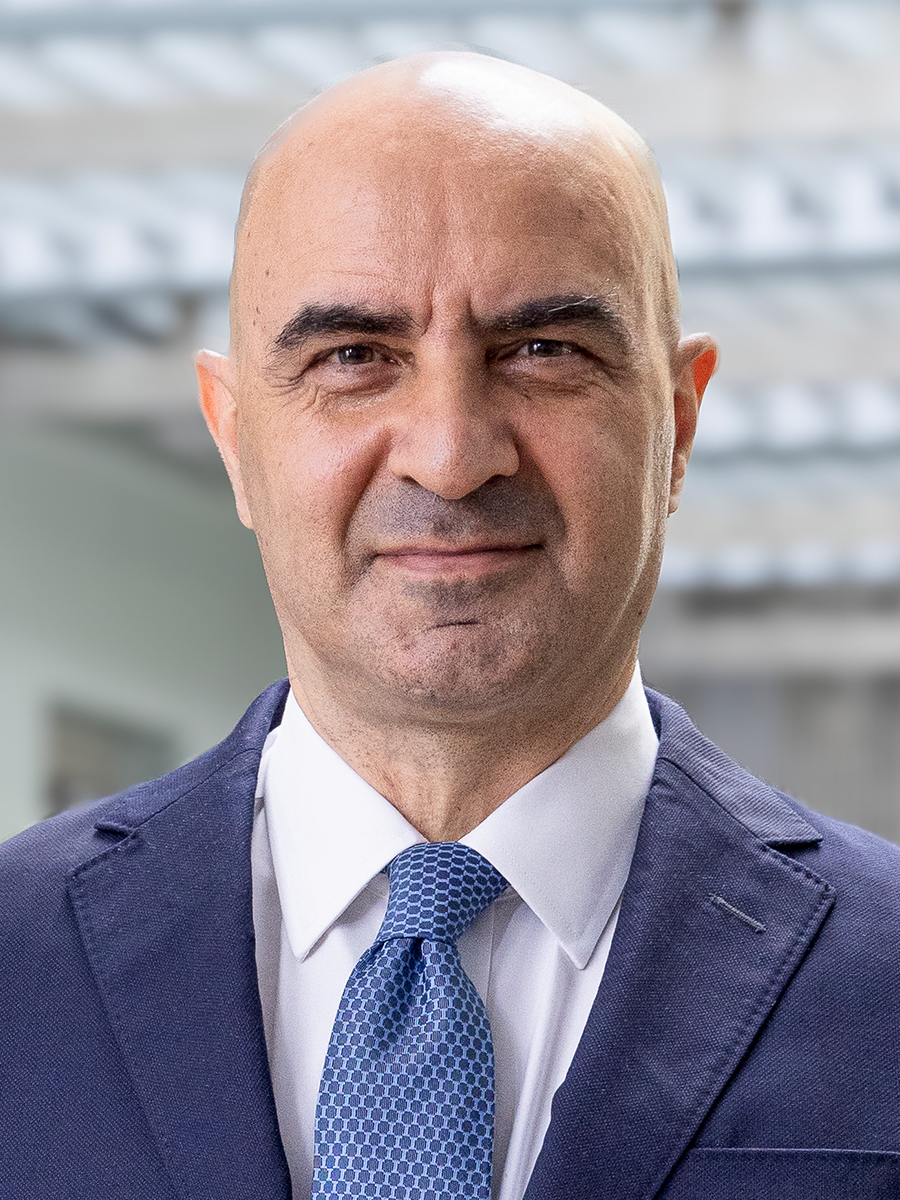
Partner, Milan Office Head
Milan
Alessandro has extensive experience in all aspects of communications, including major financial transactions, industrial restructuring, crisis communications and issue management.
You might also like

A Winning Culture
Clarity on Climate