
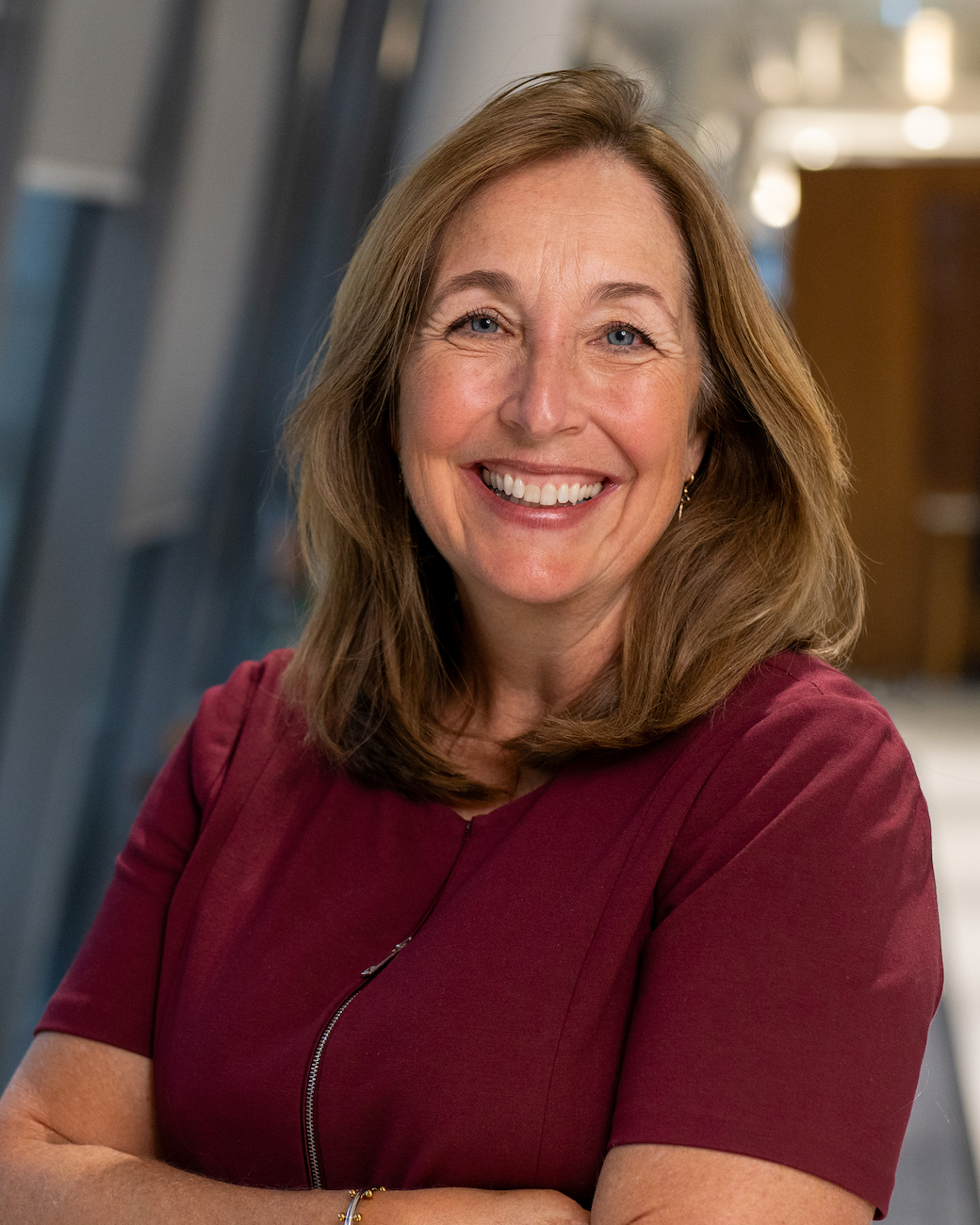
Tricia Rothschild, interim CEO of CFA Institute, talks to Jason Juceam and Elizabeth Volpe about the role of the 80-year-old organization in the age of AI.
In 1947, analyst societies in Boston, Chicago, New York and Philadelphia first came together to form a national federation focused on setting the standard for the investment profession; this entity would eventually become CFA Institute. What we now call a “chartered financial analyst,” or CFA, is the product of that effort. CFA Institute created its first formal credential for the investment profession in 1963 when 284 candidates sat for the inaugural CFA Program exam.
Eighty years after CFA Institute’s founding, the industry is confronting a defining moment that the first charterholders likely couldn’t have imagined. Artificial intelligence is reshaping research and entry-level work and the skills required for investment professionals are evolving faster than ever. Against this backdrop, CFA Institute faces the challenge of preserving the prestige of the charter while ensuring the profession remains trusted, relevant and globally connected.
Today, CFA Institute, which has over 200,000 members and 158 societies across the world, is led by Tricia Rothschild, who took on the role of Interim Chief Executive Officer in March. Rothschild earned the CFA charter early in her career and spent more than 25 years at Morningstar, where she played a key role in scaling global capabilities, including launching and leading its equity research business. She remains at the forefront of innovation in this dynamic field and spoke with Brunswick Partners Jason Juceam and Elizabeth Volpe about the importance of CFA Institute for today’s financial professionals—and for the next generation of the profession.
Why is CFA Institute and the CFA charter important to investment professionals?
Membership in CFA Institute is more than a credential—it’s a career advantage. Being a CFA charterholder signals to employers, clients and peers that you are part of a community defined by the highest standards of ethics, professionalism and continual learning.
Coming from a liberal arts undergraduate background, I didn’t come into financial services with a background in finance. I considered pursuing an MBA, but the CFA Program felt much more directly connected to the skills and expertise I wanted to build, and I knew it would give me an advantage in my work with analysts at Morningstar. Earning the charter provided a strong technical foundation and connected me to an incredible global network of investment professionals, which has benefited me ever since.
I have experienced firsthand the trust that the CFA credential inspires in institutions around the world. As the gold standard of the investment profession, many of the largest financial institutions and investment firms turn to CFA Institute for guidance and perspective during pivotal moments for the industry and the profession. They know that in CFA Institute, they have a partner they can trust.

Having served on the Board of Governors, you recently became CFA Institute’s Interim CEO. What has been your biggest takeaway in the first few months in the role?
One of my biggest takeaways is the remarkable convening power the organization has across geographies. I recently had the opportunity to spend meaningful time in person with government regulators, employers, members and society leaders in Hong Kong and Beijing. We discussed the importance of practical skills development and the continued global relevance of the CFA charter. Those conversations reinforced how connected and invested this community is in the future of our profession.
Those meetings were just one example of how interconnected our organization is. The Board of Governors regularly engages with societies and members too. It’s critical that we listen to the perspectives and inputs of our members as we chart the path forward for our organization. This feedback has directly shaped decisions ranging from curriculum redesign to forthcoming investments in AI-related learning, to the ongoing important work of the CFA Institute Research & Policy Center, to the development of customized training solutions for employers.
One of the things we hear consistently is that our candidates and members want us to be a force for good in our industry. As a result, we recently announced that over the next two and a half years, CFA Institute will invest $2.5 million to support financial literacy initiatives driven by our global society network across their markets.
How have you seen CFA Institute evolve over time, from your experiences as a candidate to becoming a member of the Board of Governors to now serving as Interim CEO?
As I mentioned earlier, when I was a candidate, I saw CFA Institute primarily through the lens of the CFA Program—an opportunity to build technical expertise, earn credibility and differentiate myself professionally. This was invaluable early in my career. As I became more involved as a member and volunteer, I gained a broader appreciation for the community behind the charter, and the important role local societies play in supporting the profession.
Until I joined the Board, I don’t think I fully appreciated the scale of investment, reach and long-term thinking required to keep the curriculum relevant and anticipate where the industry is heading. How can we best anticipate and advise on nascent trends? How can we deepen our collaboration with employers to help them build the workforce of the future? How can we strengthen the CFA Program and expand the resources we provide to ensure we stay aligned with investment decision-making practice? These are complicated questions that require experience and perspective.
Now, as Interim CEO, what stands out the most for me is the organization’s willingness and ability to adapt and innovate while staying grounded in the values and high ethical standards that define our organization. This will help us continue leading this highly dynamic industry forward.
“Our willingness to confront change, combined with the strong commitment to the highest ethical standards and values, enable us to continue to lead.”
As the world changes and your members’ needs evolve, how do you ensure the 80-year-old organization stays relevant and the membership remains valuable?
The Governors and I are constantly thinking about how to support our members and help advance their careers.
First, we are committed to listening to and engaging directly with members. As our profession continues to evolve, it’s increasingly important for us to come together in person to understand the challenges and opportunities our members are experiencing in their day-to-day, so we can continue honing our resources and offerings to better support them. We’re committed to deepening this engagement and are working to find new ways to bring our societies together in-person.
Second, we draw on the depth and breadth of experience represented on our Board—from investment management to technology, education, operations and global markets. That diversity of expertise, along with the Board’s global perspective, is incredibly valuable as we consider how the profession is changing and how CFA Institute should evolve alongside it.
Third, we continue to improve our technology infrastructure. Recently, we launched the next generation of our portal for members with more personalized navigation and easier access to learning opportunities, career tools and member benefits. We are also expanding professional opportunities through our Career Library, which brings together practical, experienced-based guidance from charterholders and professional career coaches.
Lastly, the CFA Program curriculum itself is under constant review to ensure it reflects the realities of today’s investment landscape. Recent additions include new practical skills modules, AI-related learning content, and the introduction of Private Markets and Private Wealth pathways. Through the CFA Institute Research & Policy Center, we are continuously providing members with new, actionable insights that help strengthen markets, advance ethics and improve investor outcomes.
CFA Institute represents hundreds of thousands of investment professionals spread across the world—how do you ensure members have a say in the direction of the organization?
One of the things that makes CFA Institute special is that, despite our global scale, we remain deeply connected through our societies. They are the engines that power our organization and help us move forward, and this is reflected in the fact that several of our current Governors have held society leadership roles themselves.
Our societies and members shape how the Board of Governors evaluates the direction of CFA Institute. We gather member input through the annual proxy process, societies engage directly with the Board through the Presidents’ Council (made up of a chair and an elected representative from each society region), and we maintain an ongoing dialogue with our global community through in-person and virtual events, surveys, and feedback tools like Net Promoter Scores.
Our members have diverse backgrounds, yet all of us are united by a shared commitment to our core beliefs of professionalism, ethics and lifelong learning.

You have stepped into the role at a moment when finance is being reshaped by technology, geopolitical instability and shifting expectations of institutions. What do you see as CFA Institute’s most important responsibility at this critical juncture?
CFA Institute’s most important responsibility is helping the profession navigate rapid change while reinforcing the professionalism and ethical standards that underpin trust in global markets. Periods of disruption like the one we’re currently living through only increase the importance of sound judgment and accountability—the principles that have always defined the CFA charter and represent the investment profession at its best.
We have a unique global perspective through our members and societies, which allows us to anticipate where the profession is heading and invest in the skills professionals will need in the years ahead. That means continuing to modernize how we deliver and evolve our curriculum, expand AI-related learning, and create more opportunities for members to connect with one another.
Candidates are entering finance at a complicated moment: AI is changing entry-level work and younger professionals are weighing purpose and flexibility differently. What are you hearing from candidates and early-career investment professionals, and how is CFA Institute responding?
Young professionals are entering an industry that is evolving incredibly quickly, particularly with the rise of AI. I mentioned this earlier but one of the strengths of CFA Institute is that we’ve spent decades helping the profession navigate periods of transformation.
What we hear consistently is that candidates are seeking more than technical expertise. They want mentorship, practical experience, global perspectives and a stronger sense of professional community. They also want skills that will remain relevant as roles and workflows evolve. We’ve heard them and are adapting to meet their needs. For instance, we are expanding the candidate and member experience beyond the curriculum itself through practical skills modules, AI-related learning resources and career development tools.
Our role is not just to respond to change, but to help members stay ahead of it.
What excites you most about the future for CFA Institute?
It is the people that make me incredibly optimistic about the future of this organization and the profession as a whole. Some of the most thoughtful and dedicated professionals I have met were part of the CFA community. There’s a dedication and sense of purpose that comes with earning the charter—a real commitment to mastering your craft.
As the industry becomes more complex and technology-driven, human qualities like integrity and professionalism will only become more important. Our willingness to confront change, combined with the strong commitment to the highest ethical standards and values, enable us to continue to lead.
Underpinning all of this is the strength of member engagement and the remarkable community our organization has built over the last 80 years across geographies.
Meet the authors
-

Partner
New York
Jason draws on his experience as an attorney to advise global organizations on business-critical issues, including crisis and litigation, corporate reputation, and financial communications matters. -
Partner
New York
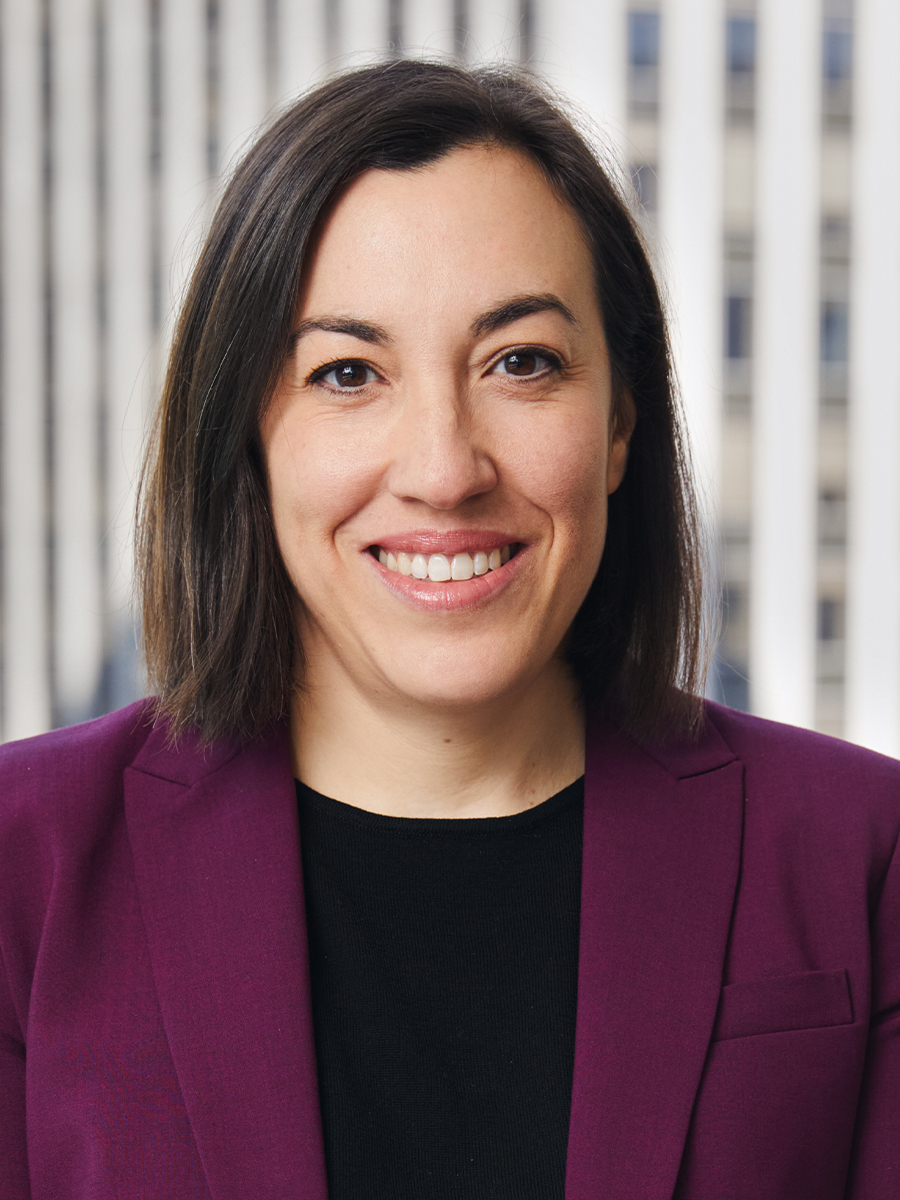
Elizabeth advises clients across sectors on communicating with their most important stakeholders through mergers and acquisitions, shareholder activism and other capital markets matters.
You might also like

Lotus Technology and the Road Ahead

The New Yorker