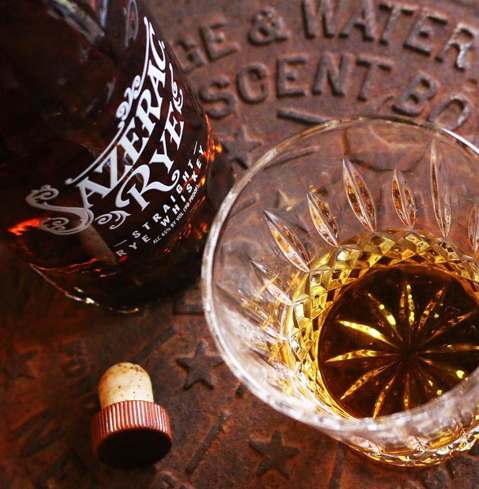
An American icon, Sazerac is the fastest-growing force in the global spirits industry.
Amid much industry handwringing about a generational shift in alcohol consumption, one of America’s most venerable spirits companies is thriving.
Based in Kentucky with deep roots in New Orleans, Sazerac has quietly become the third-largest liquor company in the world. With a portfolio anchored by some of the most enduring names in American whiskey, including brands such as Buffalo Trace Bourbon and Blanton’s, Sazerac is defined by craftsmanship and a deep connection to tradition.
Family-owned and privately held, Sazerac has notched more than $6 billion in annual sales and is the fastest growing major spirits company thanks to its knack for developing and acquiring promising brands, its operational heft and its long-term investment horizon.
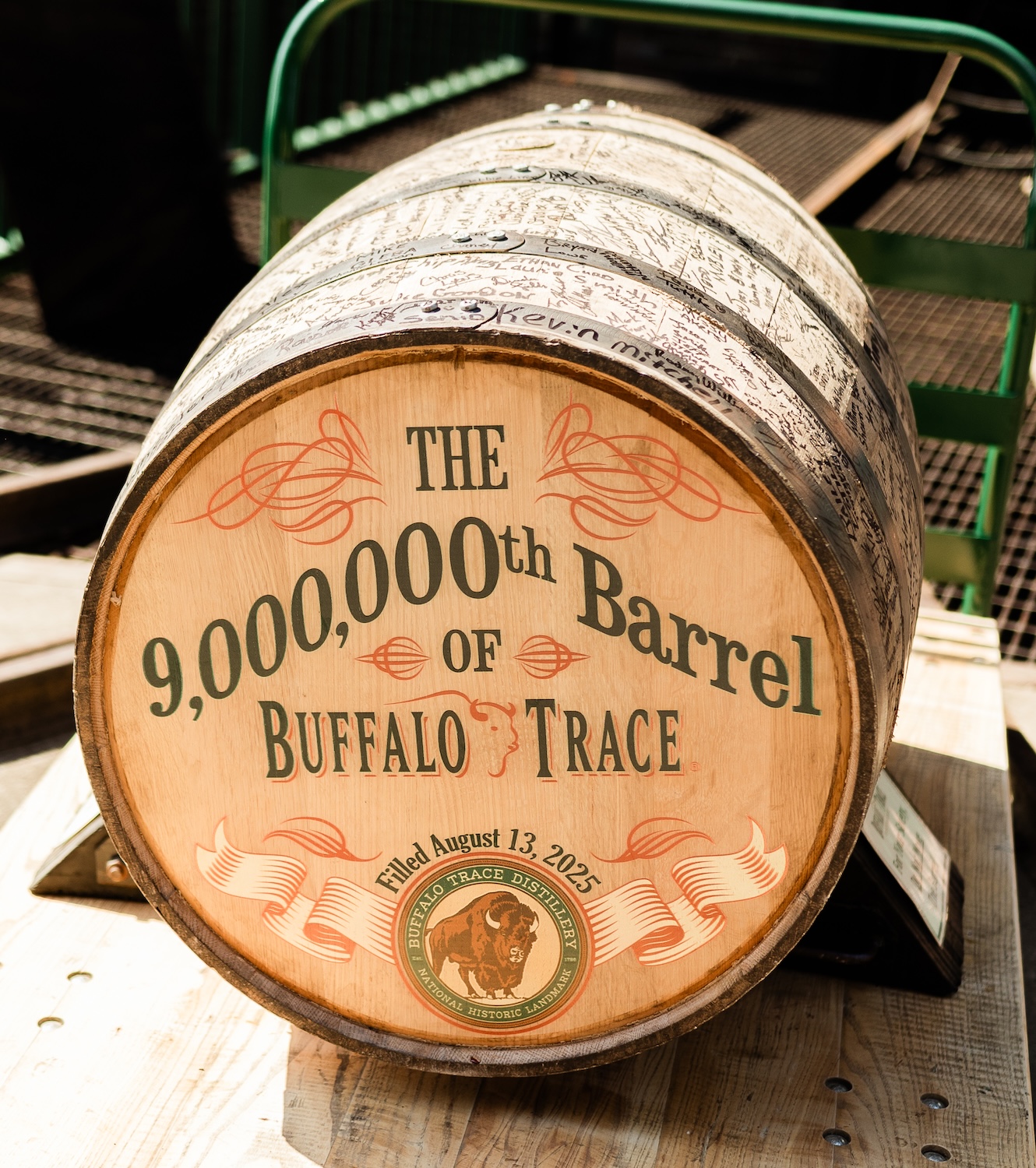
That philosophy is perhaps best exemplified at Buffalo Trace Distillery, where distilling dates back to the 18th century. In 2025, the distillery filled its 9 millionth barrel of bourbon since prohibition, a milestone accelerated by the completion of a decade-long, $1.2 billion expansion that significantly increased production capacity while preserving the methods and standards that have defined the site for generations.
While the brands are well known, the business behind them keeps a low profile. In an interview, Jake Wenz, the Chief Executive of Sazerac, explained some of the secrets behind Sazerac’s success. A West Point graduate who also holds an MBA from Harvard, Wenz spent several years at PepsiCo before joining Sazerac almost 12 years ago. He spoke with Brunswick US CEO Nik Deogun.
What differentiates Sazerac from other spirits makers?
At its core, Sazerac reflects a version of the American dream: built over time through hard work, steady growth, long-term thinking and a willingness to invest in what’s next.
Today, Sazerac is a scaled, US-based spirits company, generating over $6 billion in annual net sales with a portfolio of more than 500 brands. That growth has come from focusing on areas like American whiskey, RTD [ready-to-drink] cocktails, vodka and tequila, while maintaining a range of offerings across price points and occasions. Many of our brands are still early in their journey, with meaningful runway ahead both domestically and globally. We see an opportunity to continue building our brands thoughtfully over time.
From a category standpoint, our portfolio is well placed in areas where we see ongoing momentum, including whiskey, bourbon, tequila and small formats.
How do you balance stewardship of iconic brands such as Buffalo Trace Bourbon and Southern Comfort with the need to continuously evolve and innovate?
We see heritage and innovation as two sides of the same coin. The strength of our iconic brands like Buffalo Trace Bourbon and Southern Comfort comes from their authenticity and history, but those qualities only deliver if you continue to invest to make them relevant for generations to come. Our approach is rooted in what makes a brand special, it’s the history, the quality, the connection that keeps consumers coming back. Buffalo Trace Distillery is our best example, grounded in Kentucky heritage and a longstanding commitment to craftsmanship. It is the longest continuously operating distillery in the United States and the most award-winning distillery in the world. The brand is one of the most dynamic in terms of innovation in American whiskey and globalization of America’s spirit. A recent example of this is the introduction of Eagle Rare 30, the oldest age-stated bourbon ever released from Buffalo Trace Distillery. This special whiskey is the second expression from the Distillery’s experimental Warehouse P and marks a significant milestone in our ongoing exploration of extended maturation, underscoring Buffalo Trace’s ability to transform aging from a constraint into a defining signature.
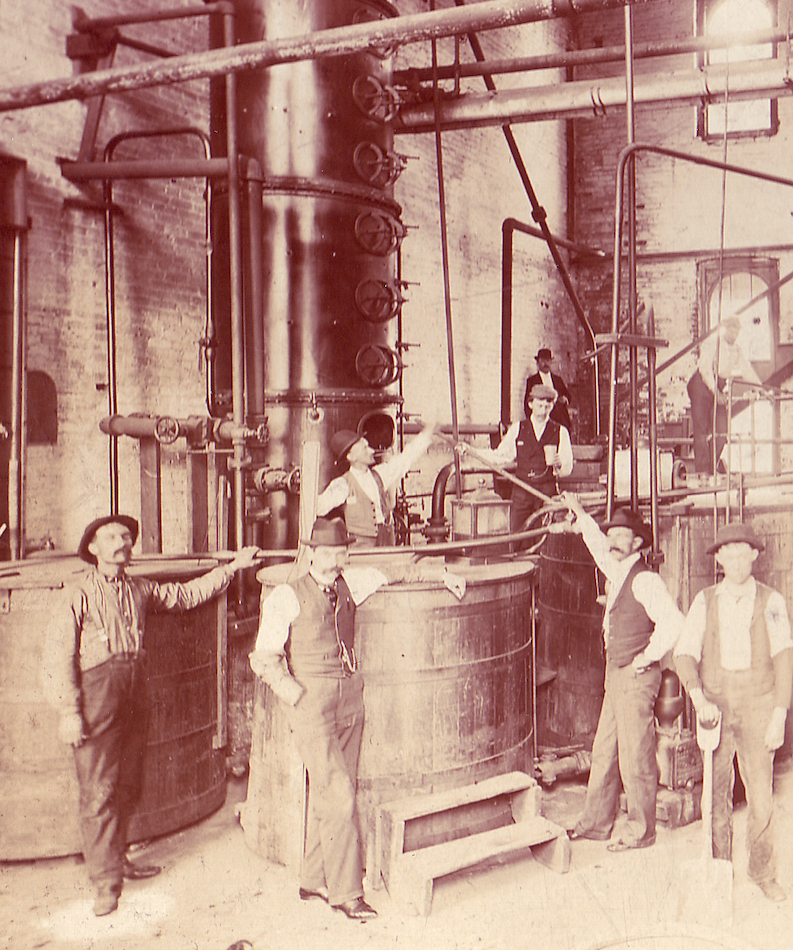
Buffalo Trace Distillery dates back to 1775. It is a National Historic Landmark, as well as listed on the National Register of Historic Places. Its history includes such legendary brands as George T. Stagg bourbon (about $160 for a 750ml bottle), and more than 1,000 awards, including three Gold Awards at the 2025 International Wine & Spirits Competition.
What has been the key to Sazerac’s long-term growth, and how has private ownership supported that?
As a family-owned, privately held company, we are uniquely positioned to focus on long-term decision making. We think about our growth in decades, not in quarters. Our approach to each brand is to stay true to its quality and core, and then strengthen the platform around it, whether that means better distribution, sharper commercial execution, or more operational support. Also, we believe the best bourbon has not yet been made, so we relentlessly research and experiment to achieve that aim.
Finally, we are building on our very strong position in the United States, which remains the largest and most profitable spirits market in the world, while aggressively growing our brand reach globally.
What is your approach when it comes to serving consumers across the full pricing spectrum, from the bottom all the way to the top shelf?
Accessibility and affordability is important to us. Every consumer should be able to engage with our portfolio of brands, from entry level to premium. Also, we are a big manufacturer, and we enjoy the operations side of the business, so we like to produce great liquids and packages that deliver value to consumers. That’s why we’ve deliberately built a broad portfolio that spans categories, drinking formats and price points. Serving the full spectrum of consumers also makes us a more resilient business.
What is your process for deciding which acquisitions to pursue and what have you learned about integrating and growing brands while maintaining what makes them special?
Just to be clear, our first two growth planks are organic growth and creating new brands. However, we have a long track record of growing through M&A, with more than 10 acquisitions over the last few years, including BuzzBallz and Svedka. What we’ve learned from our experience is that a successful integration is not about following a single model, and that’s not how our brands are built. It’s about understanding what makes a brand distinctive and allocating the right resources to make it successful. Since acquiring BuzzBallz in 2024, the brand has become the No. 1 in RTD cocktails in both the US and UK, and in 2025, it was the fastest-growing alcohol brand in the US. Since acquiring Svedka in 2025, the brand has rebounded from many years of stagnation and it is currently the fastest growing spirits brand in the US across all categories, growing over 30%.
What have you learned from operating in different markets, and how has that shaped your approach to growth internationally?
Ultimately, we believe in connecting consumers to brand. Whether that is creating something new or introducing consumers to brands with a deep history and heritage, that means trying to preserve what’s special, while gradually strengthening the platform around it, be that through improved distribution, more consistent commercial execution, or the operational support needed to unlock growth over time.
We’ve seen encouraging progress in the US and in a number of global markets, where we’ve been able to grow market share by staying focused and working closely with partners. One of the clearer lessons for us has been that global growth doesn’t happen quickly, it requires prioritization and strong local partnerships.
We’ve continued to focus on markets where we see the best long-term potential, and by building partnerships that complement our strengths. Recent examples include a partnership with 818 Tequila to support our agave portfolio, the addition of Dirty Shirley as we expand in RTDs, and our ongoing work with Paul John Distilleries in India, where we’ve seen steady progress with brands like Paul John Single Malt Whisky and Fireball.
“We’re not just a portfolio of brands. We’re custodians of experiences that matter to people.”
Jake Wenz, CEO, Sazerac
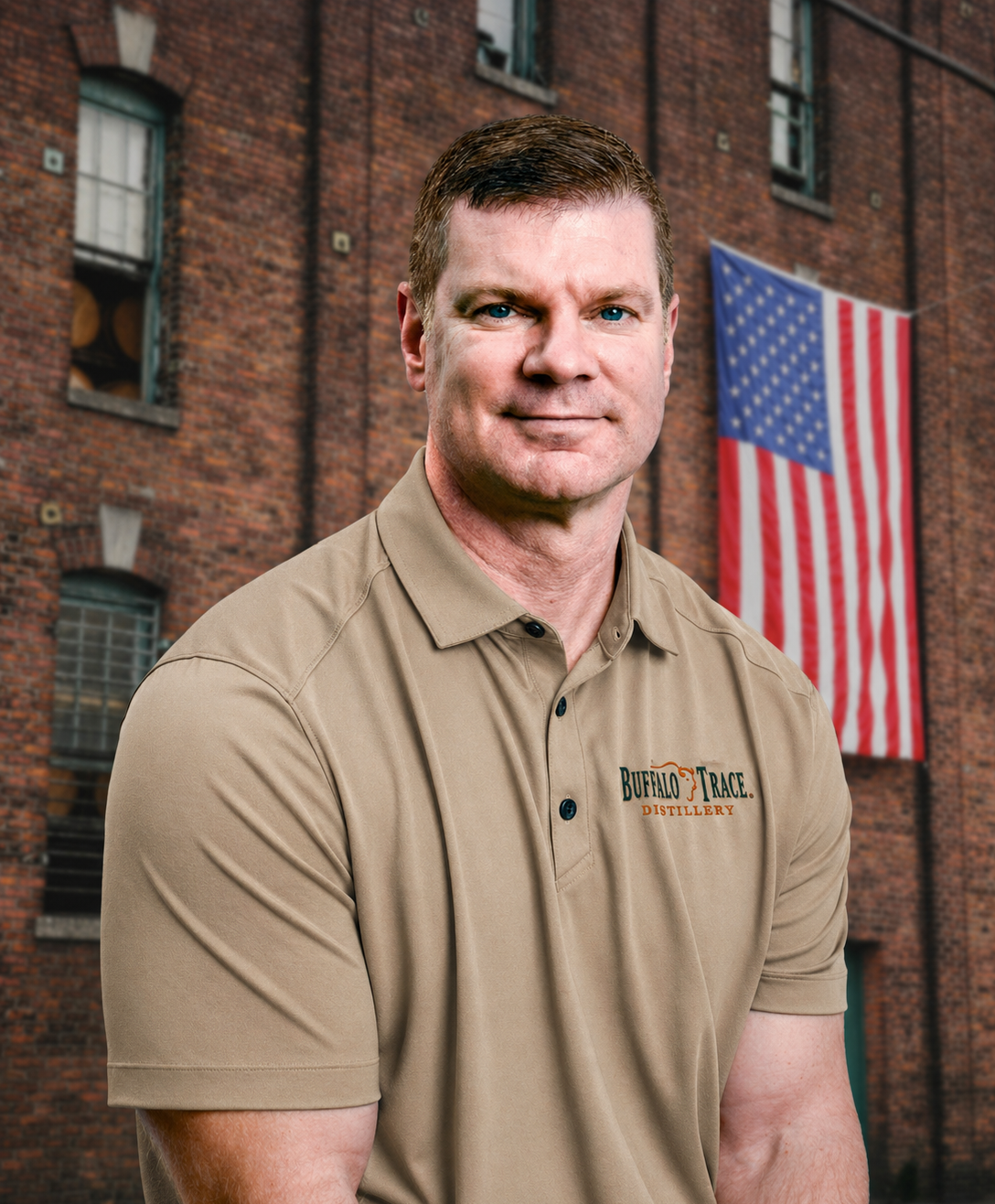
Sazerac is the largest spirits producer in the US by sales and volume. How have you worked to maintain a clear sense of identity across more than 500 brands?
At its core, Sazerac is built around a clear vision: to connect our brands to consumers. From Fireball Cinnamon Whisky and Buffalo Trace Bourbon to Southern Comfort and Svedka, our portfolio, and partnerships like 818 Tequila and Red Tree Beverage (Coca-Cola), span a wide range of categories that are aligned to where we see consumer demand today and in the future.
Even with more than 500 brands in the portfolio, the focus remains consistent: making thoughtful choices about where to invest, how to scale and how to support each brand as it grows. We are continuing to gain market share in the US across multiple spirits categories, from brandy and cognac to vodka and RTDs, reflecting steady execution and focus across the business. We’re not just managing a portfolio of brands. We’re focused on building brands that can grow responsibly over time and stay relevant to the people who choose them.
How are you thinking about generational shifts in consumption?
Younger generations are reshaping the industry in meaningful ways. They are more experimental, more occasion-driven, and more open to new formats in ways we’ve never seen before. That’s why we’ve made investments in categories like RTDs. At the same time, younger consumers still value authenticity, which is why our heritage brands are continuing to perform well.
We have deep confidence in the spirits industry and its enduring role in bringing people together. At a time when consumers are actively seeking connection and shared experiences, spirits remain central to how people socialize and celebrate, making this an especially compelling time to invest behind brands that fuel those occasions.
Sazerac has a long and distinctive heritage. How does that legacy shape your decision-making today?
Our heritage is our foundation. Since 1850, we have proudly operated as an American-owned company, headquartered in Louisville, Kentucky, with a significant presence in New Orleans. Together, our Kentucky roots and Louisiana presence are central to who we are. This distinguished legacy shapes how we think about quality, investment and the communities that we’re a part of.
In the United States, our brands are part of people’s lives and traditions, a part of American culture. It’s the Sazerac Cocktail in New Orleans, which has been a symbol of the city’s identity for generations. It’s Buffalo Trace Bourbon and Eagle Rare shared among friends and family to mark a celebration. It’s Fireball Whisky passed around at tailgates, backyard gatherings and nights out.
We’re not just a portfolio of brands. We’re custodians of experiences that matter to people. That brings a sense of responsibility to honor the history and authenticity that makes each brand what it is today, but also a tremendous opportunity to carry those traditions forward in new and meaningful ways.
Wenz on Yeast, the Paper Plane & 9 million barrels
What’s your favorite drink?
A Paper Plane made with Buffalo Trace. It’s one of those cocktails that’s perfectly balanced. It is bright, a little bitter, a little sweet and it really lets the whiskey shine without overcomplicating things.
What’s something about making whiskey that might surprise people?
One interesting thing is how vigorously distilleries protect their yeast. Most distilleries don’t change their yeast strain, and they treat it almost like a closely guarded secret like Fort Knox. It’s one of those behind-the-scenes decisions that has a huge impact on flavor consistency over time.
Are there any particular career highlights that stand out to you?
The filling of the 9 millionth barrel at Buffalo Trace is one that I’ll remember.
It’s a powerful example of what this business represents: centuries of tradition, resilience through different eras and a deep commitment to craftsmanship.
What makes it especially meaningful is the idea that what we’re producing now will be enjoyed years, even decades, from today. It reinforces the responsibility we have to maintain the quality and authenticity that have defined the distillery for generations.
Meet the authors
-

CEO of the Americas, U.S. Senior Partner
New York
Nik Deogun has served as CEO of the Americas and U.S. Senior Partner for Brunswick Group, a critical issues advisory firm, for eight years, following…
You might also like

The un(Just) Transition
Banking on Entrepreneurs