What links his bestseller on the 2008 financial crisis with his new bestseller on the crash of all market crashes? A sobering truth about human nature. “How quickly we forget,” he says.
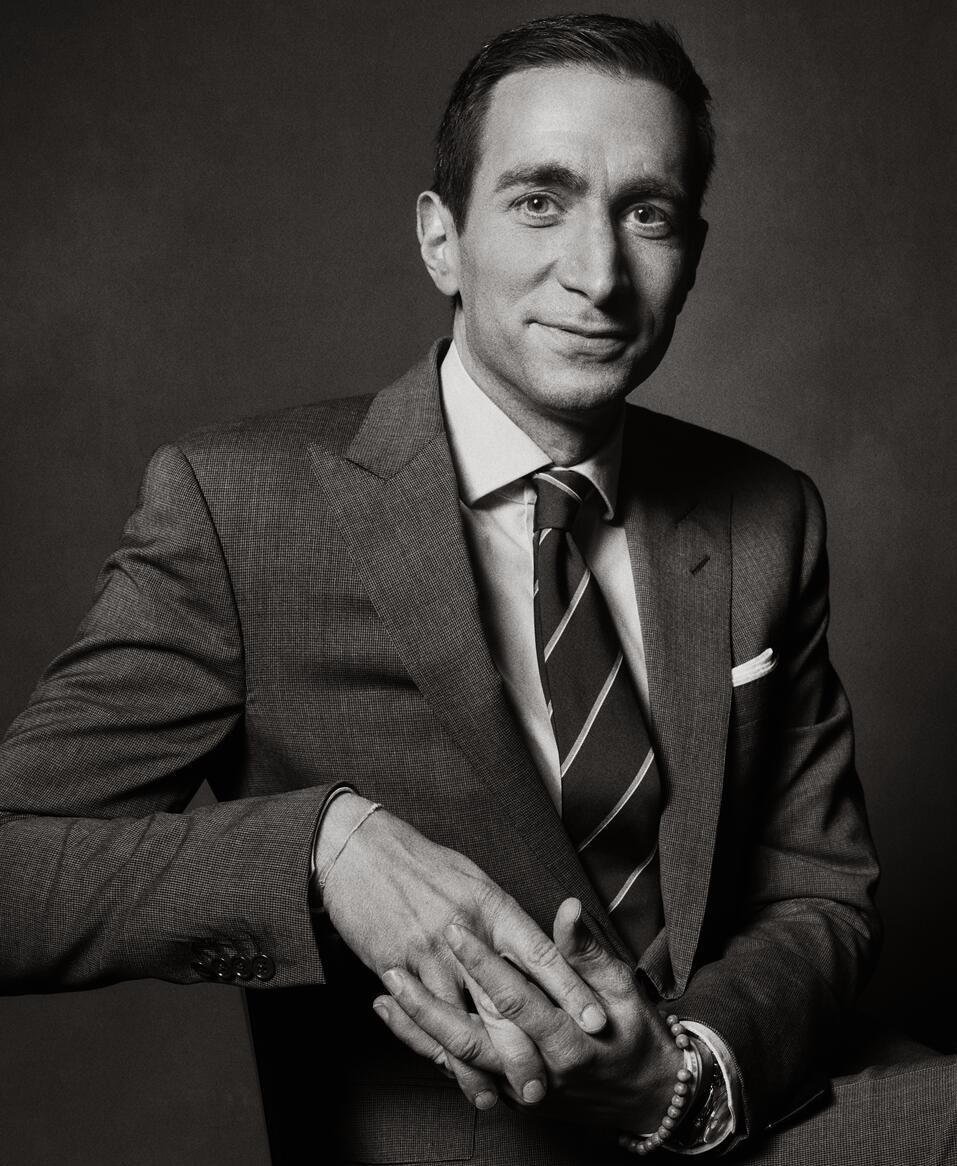
Andrew Ross Sorkin, founder of DealBook at The New York Times, covered the 2008 financial crisis and wrote the definitive book about it, Too Big To Fail. As he analyzed the causes and fallout of that crisis, he often wondered how it compared with the titanic market crash of 1929.
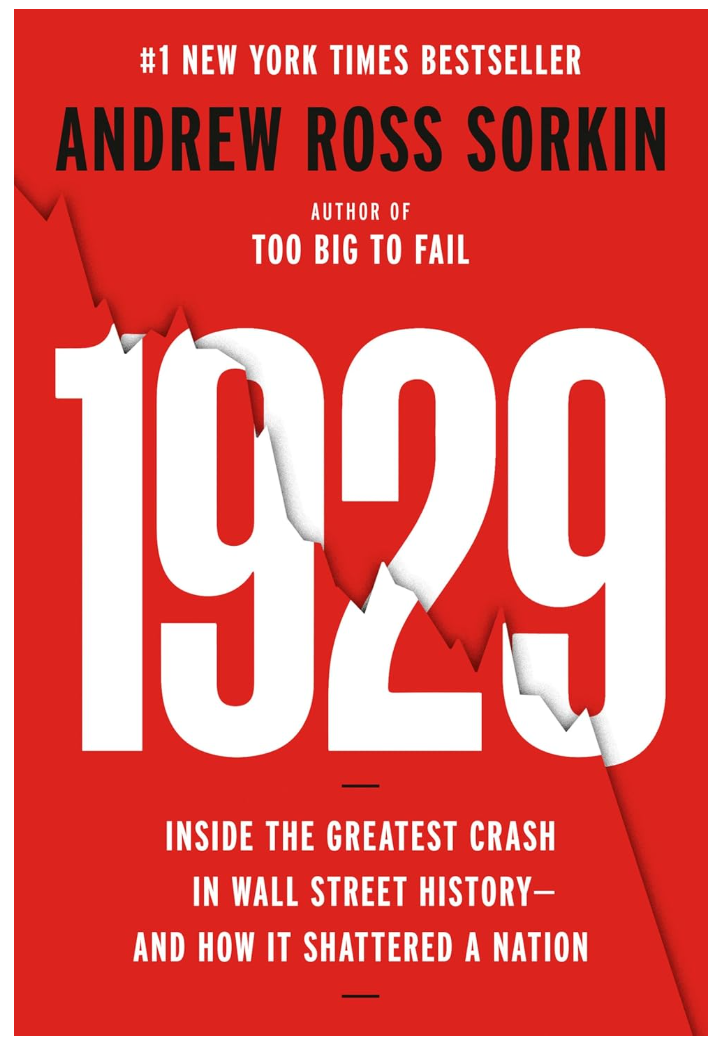
Later, when Sorkin came across private papers of leading bankers of the 1920s, he began to see a way to bring 1929 to life, including what led to the crash, what it felt like in October 1929 and what ensuing developments led to the Great Depression (short-sighted fiscal policy and steep tariffs, as it turned out.)
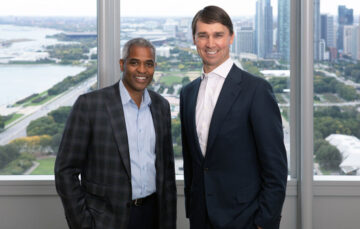
Little did Sorkin know that, after years of working on this new book, financial markets would reach a fever pitch in 2025, right as his publication date neared. 1929 is now an incredibly timely book, highly readable and deeply instructive. Here, Sorkin answers three questions from Brunswick Partner Seth Faison.
What surprised you most, as you were researching 1929?
What surprised me most was how inevitable 1929 looked in hindsight—and how utterly unavoidable it felt to the people living through it. I went into the research expecting to find a coherent narrative of hubris and miscalculation, but the deeper I went, the more I realized that the crash was the product of thousands of small decisions and blind spots that accumulated almost invisibly. It wasn’t one big mistake; it was the absence of imagination across an entire system.
The other surprise was how modern the psychology felt. We often talk about the 1920s as a distant, sepia-toned world of ticker tape and speakeasies, but the mindset of the moment—the belief in technological miracles, in new financial innovations, in the ability to bend the cycle to human will—felt eerily familiar. The language of the era could have been ripped from any board meeting or investment memo today: “This time is different.” “We’ve entered a new paradigm.” “The old rules no longer apply.”
I was also struck by how much disagreement existed at the time. We imagine 1929 as a morality tale with clear villains and heroes, but there were fierce debates among economists, bankers, politicians and business leaders about leverage, speculation, regulation and the proper role of government. Many of the arguments feel like reruns of today’s cable news panels or policy fights in Washington. That was the real shock: not that the past repeats itself, but how quickly we forget we’ve lived the same storyline before.
Among the characters with leading roles in the drama of 1929, who most fascinated you?
John Raskob captivated me more than any other figure—a man whose life embodied both the optimism and the peril of the era. Raskob was the ultimate believer in American possibility. He championed the idea that every citizen should be able to invest in the stock market and build wealth—a notion that was genuinely radical at the time. He was also the driving force behind the Empire State Building, which became a symbol not just of his ambition but of a nation reaching skyward.
What fascinated me was the duality of his character. On one hand, Raskob was a visionary democratizing access to finance; on the other, he was a sophisticated insider whose enthusiasm helped fuel the speculative fever. He was both ahead of his time and completely of his time.
But there were others who intrigued me as well: Charles Mitchell, the swaggering head of National City Bank; William Durant, the charismatic founder of General Motors who couldn’t stop betting big; and the quiet, almost tortured Herbert Hoover, who found himself overwhelmed by forces he struggled to comprehend. Together, they formed a cast that could have walked straight out of a modern prestige drama.
“In 1929, warning signs were everywhere. Yet few wanted to believe that the music could stop.”
What parallels do you see between 1929 and the present day?
The parallels aren’t literal—but the rhymes are unmistakable. At a macro level, both eras are defined by extraordinary technological change, financial innovation and a deep faith in the transformative power of markets. In the 1920s, it was radio, automobiles, electricity and mass production reshaping the economy. Today it’s artificial intelligence, biotech and digital platforms. In both cases, the innovations were real—but so was the exuberance they generated.
The second parallel is psychological. In the years leading up to 1929, there was a widespread belief that volatility had been conquered, that policymakers had found the tools to tame the business cycle. You hear shades of that today when people talk about “soft landings,” “immaculate disinflation” and algorithms that can manage risk better than humans ever could.
And finally, there’s the question of what happens when optimism becomes a form of denial. In 1929, warning signs were everywhere, yet few wanted to believe that the music could stop. Today, we are again navigating enormous uncertainty—from geopolitics to debt levels to asset valuations.
Meet the authors
-

Partner
New York
Seth brings more than 25 years of experience as a strategic advisor, communications expert and counselor on sensitive situations and high-stakes issues. A specialist on…
You might also like
The Business of Equity

A Pandemic Culinary Triumph